
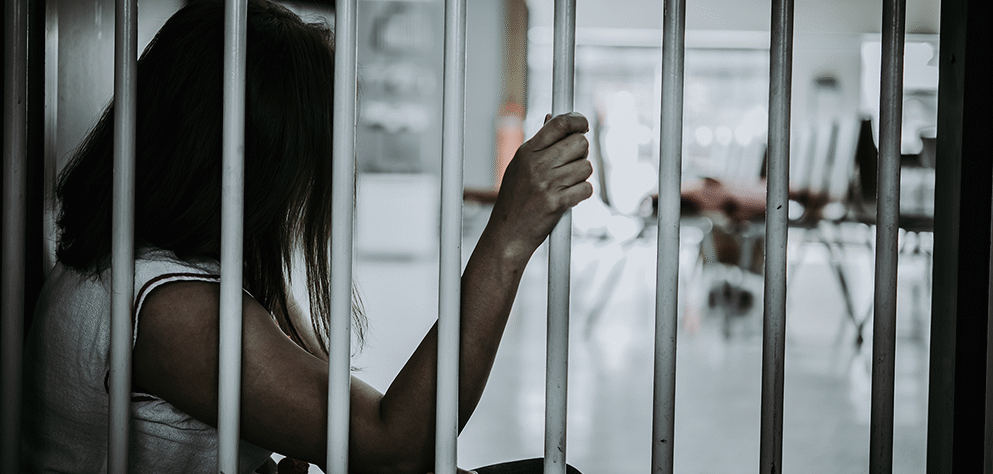
The number of women behind bars worldwide is rising at nearly three times the rate of men, with experts warning of a growing global crisis as female prisoners face sexual abuse, forced labour, and inadequate care.
According to recent data, over 733,000 women and girls are currently incarcerated worldwide, though the actual number is likely higher due to limited reporting in many countries. Since 2000, the global female prison population has grown by 57%, compared to a 22% increase for men.
Olivia Rope, executive director at Penal Reform International, calls the situation “alarming.” She notes that women in prison are often an afterthought, with most systems designed for male inmates. “Women face very harsh conditions, and their needs are largely unmet,” she said.
The rise in female incarceration is linked to poverty, abuse, and discriminatory laws. Women are disproportionately jailed for petty theft, begging, drug-related offences, or working in the informal economy. In many regions, such as El Salvador, Kenya, the US, Argentina, and Iran, women have reported being beaten, sexually abused, and forced to perform slave labour—even for minor offenses.
The US has the largest female prison population at 174,607, followed by China with 145,000, while Europe has 94,472 women incarcerated. In England and Wales, women account for just 4% of the prison population, with most serving sentences for non-violent offenses.
Women prisoners face unique challenges, including high rates of mental health problems, histories of abuse, and suicide risks that are significantly higher than in the general population. Pregnant women often lack adequate care, with some forced to give birth alone or under the supervision of male guards. Sexual violence and exploitative prison labour remain widespread, with reports from India, Cambodia, and conflict-affected regions highlighting systemic abuses.
Sabrina Mahtani, a Zambian-British lawyer, stresses that most incarcerated women do not pose a danger to society. “Prisons are harmful, not rehabilitative. Vulnerable women go in and come out more traumatised,” she said.
The impact extends beyond the women themselves: an estimated 1.45 million children worldwide have a mother in prison. “When a mother is jailed, families often break apart, with children entering social services or foster care,” Rope explained.
Despite the 2006 adoption of the Bangkok Rules—international guidelines for the treatment of women prisoners—experts say enforcement remains weak. Limited transparency and poor access to data make it difficult to fully understand the global scale of the crisis, leaving millions of incarcerated women neglected and at risk.